Call 770-709-8977
Riverstone Restoration Get a Free Estimate

GENERAL CONTRACTOR · ATLANTA, GEORGIA

General Contractor in Atlanta, GA

Start with the address, scope, and jurisdiction—not a generic checklist.

REQUEST A FREE ESTIMATE

Tell Riverstone about your Atlanta property.

Include the address, current condition, and the outcome you want to discuss.

?

QUICK ANSWER

What should I look for in a general contractor near me in Atlanta?

Atlanta is Georgia's capital and largest city, spanning parts of both Fulton and DeKalb counties. The city contains an extraordinary range of built environments — from dense midtown high-rises to historic Craftsman bungalows in Grant Park, Victorian cottages in Inman Park, postwar ranch homes in Buckhead, and new infill townhomes along the BeltLine corridor. Its tree-canopied intown neighborhoods attract significant renovation investment, and the city's ongoing growth drives both restoration of historic housing stock and new construction across many districts. Homeowners regularly pursue additions, full-gut renovations, ADU projects, and exterior overhauls. Permitting is handled by the City of Atlanta's Office of Buildings, and many older homes sit within designated historic districts, adding a review layer before standard building permits are issued. The pace of change across different neighborhoods means renovation scope and complexity vary considerably even within a few blocks.

LOCAL PROPERTY CONTEXT

Understanding properties in Atlanta.

Atlanta's residential fabric is genuinely varied. Inman Park and Candler Park contain late-19th- and early-20th-century Craftsman and Queen Anne homes on modest lots. Grant Park holds a dense grid of Victorian-era cottages and bungalows, many with original heart-pine floors and unreplaced plumbing systems. Kirkwood and East Atlanta Village blend older bungalows with recently built infill. Buckhead and areas near Sandy Springs feature larger mid-century ranches and newer custom builds on wooded lots. The BeltLine corridor has spurred significant townhome and mixed-use development. Many intown lots are narrow — often 40 to 50 feet wide — which shapes what additions, garages, and detached structures are feasible under current setback requirements. Foundation types range from brick piers in the oldest homes to poured concrete in mid-century construction. The mix of construction eras — from 1890s brick to 1960s concrete block to 2010s wood-frame townhomes — means a contractor working across different Atlanta neighborhoods should expect to encounter genuinely different structural and systems conditions even on adjacent streets.

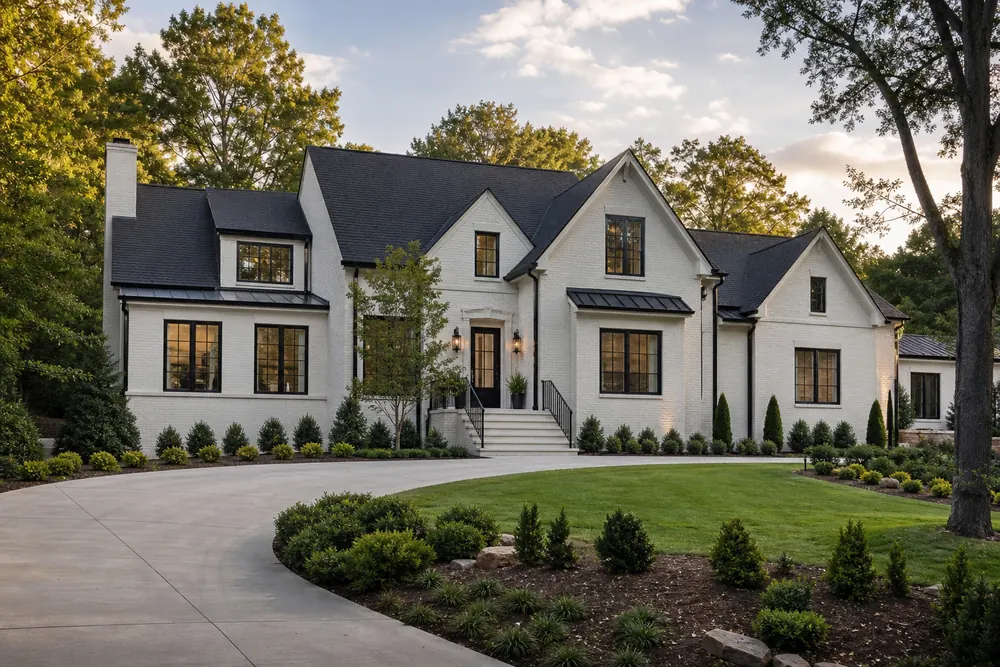
Renovation inspiration for a Atlanta general contracting project
Every property deserves a project conversation shaped by its real conditions.

CONNECTED PROJECTS

What can a general contractor help bring into one plan?

These are common starting points—not promises about a scope before the property is reviewed.

Historic District Renovation — Atlanta project inspiration
01

Historic District Renovation

Many Atlanta intown neighborhoods fall under Historic District overlays requiring a Certificate of Appropriateness before exterior changes. A general contractor familiar with the Urban Design Commission process can help homeowners navigate decisions — from matching original window profiles to selecting approved siding materials — while coordinating all trade permits through the Office of Buildings.

BeltLine-Area Addition — Atlanta project inspiration
02

BeltLine-Area Addition

Properties near the Atlanta BeltLine often sit on narrow urban lots with limited setbacks. Room additions, rear decks, and detached garage conversions in these areas require careful survey review and zoning confirmation before design is finalized. Planning for utility conflicts — particularly aging sewer laterals — early in the process reduces costly mid-project surprises.

Whole-Home Gut Renovation — Atlanta project inspiration
03

Whole-Home Gut Renovation

Older Atlanta bungalows frequently need full mechanical, electrical, and plumbing updates alongside cosmetic work. A general contractor managing a whole-home gut renovation coordinates subcontractors across all trades, sequences work around required open-wall inspections, and maintains a single point of accountability with the Office of Buildings throughout the permit lifecycle.

ATLANTA · 30303, 30305, 30306, 30307, 30308, 30309, 30310, 30311, 30312, 30313, 30314, 30315, 30316, 30317, 30318, 30319, 30324, 30326, 30327, 30328, 30329, 30331, 30334, 30336, 30337, 30342, 30344, 30349, 30354, 30363

The address provides the real answer—not the neighborhood name alone.

Riverstone considers inquiries across the Atlanta area. Mentioning the neighborhood is helpful, but the street address confirms service area, permit authority, and site access.

BuckheadInman ParkGrant ParkOld Fourth WardWest EndKirkwoodMidtownCabbagetown

Nearby landmarks & corridors

BeltLine Eastside TrailPeachtree Street corridorFreedom ParkwayPonce de Leon AvenueGrant ParkPiedmont ParkHistoric Fourth Ward ParkAtlanta BeltLine Westside Trail

Primary postal ZIPs: 30303, 30305, 30306, 30307, 30308, 30309, 30310, 30311, 30312, 30313, 30314, 30315, 30316, 30317, 30318, 30319, 30324, 30326, 30327, 30328, 30329, 30331, 30334, 30336, 30337, 30342, 30344, 30349, 30354, 30363. ZIP boundaries do not always align with incorporated city limits or a single county jurisdiction. Confirm the parcel before applying for permits.

County: Fulton County & DeKalb County.
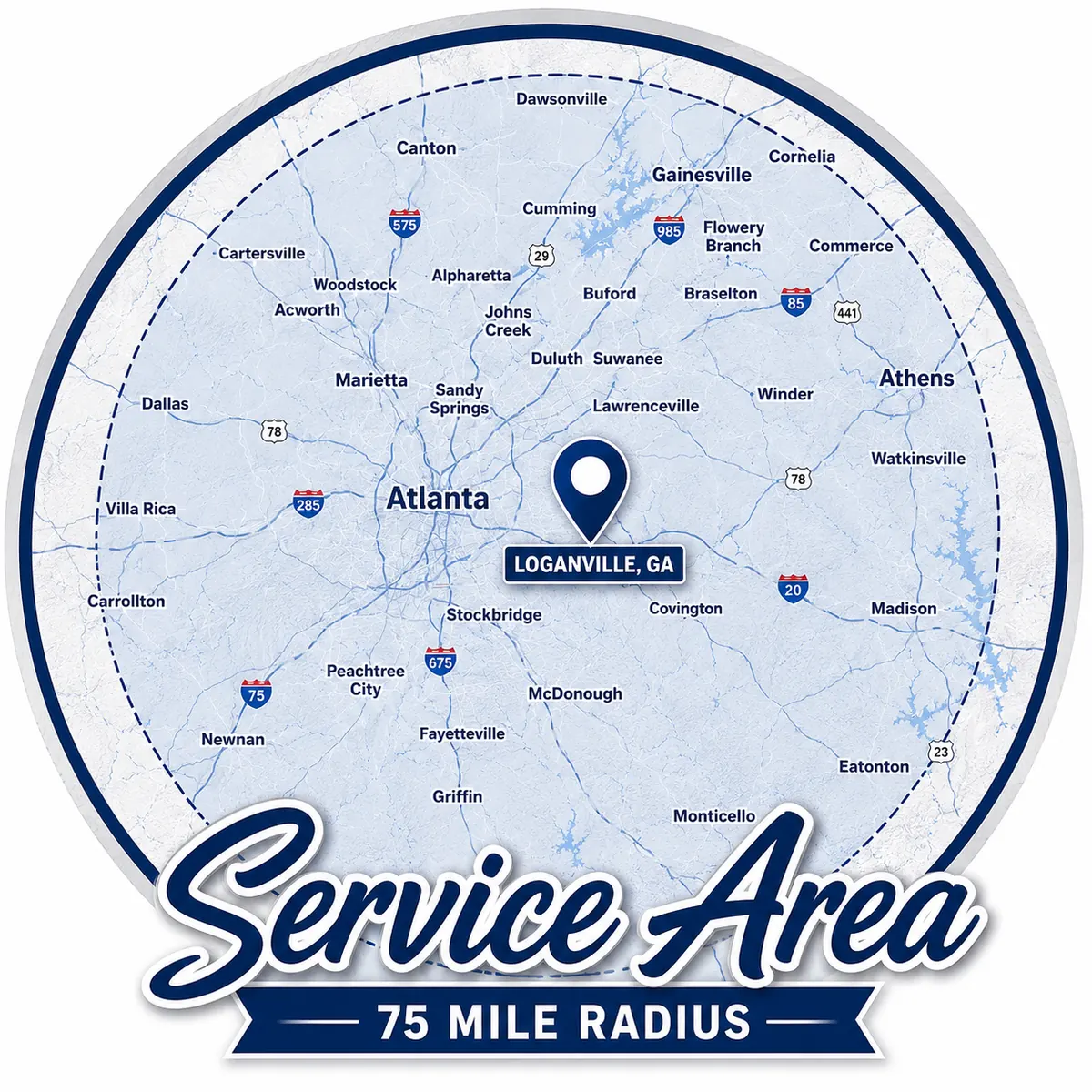
Riverstone Contracting service-area map including Atlanta, Georgia
Atlanta sits within Riverstone's broader 75-mile service area centered on Loganville.

Permit and jurisdiction guidance for Atlanta.

Atlanta's municipal limits cross both Fulton and DeKalb counties, but the City of Atlanta Office of Buildings is the permitting authority for work within city limits regardless of which county the parcel falls in. Homeowners should confirm their address is within city limits — some Atlanta mailing addresses are actually in unincorporated Fulton or DeKalb, where the respective county permitting offices handle permits instead. The Georgia State Licensing Board for Residential and General Contractors licenses contractors; verification is available through the Georgia Secretary of State's online portal. Georgia 811 (Call Before You Dig) must be contacted at least three business days before any excavation.

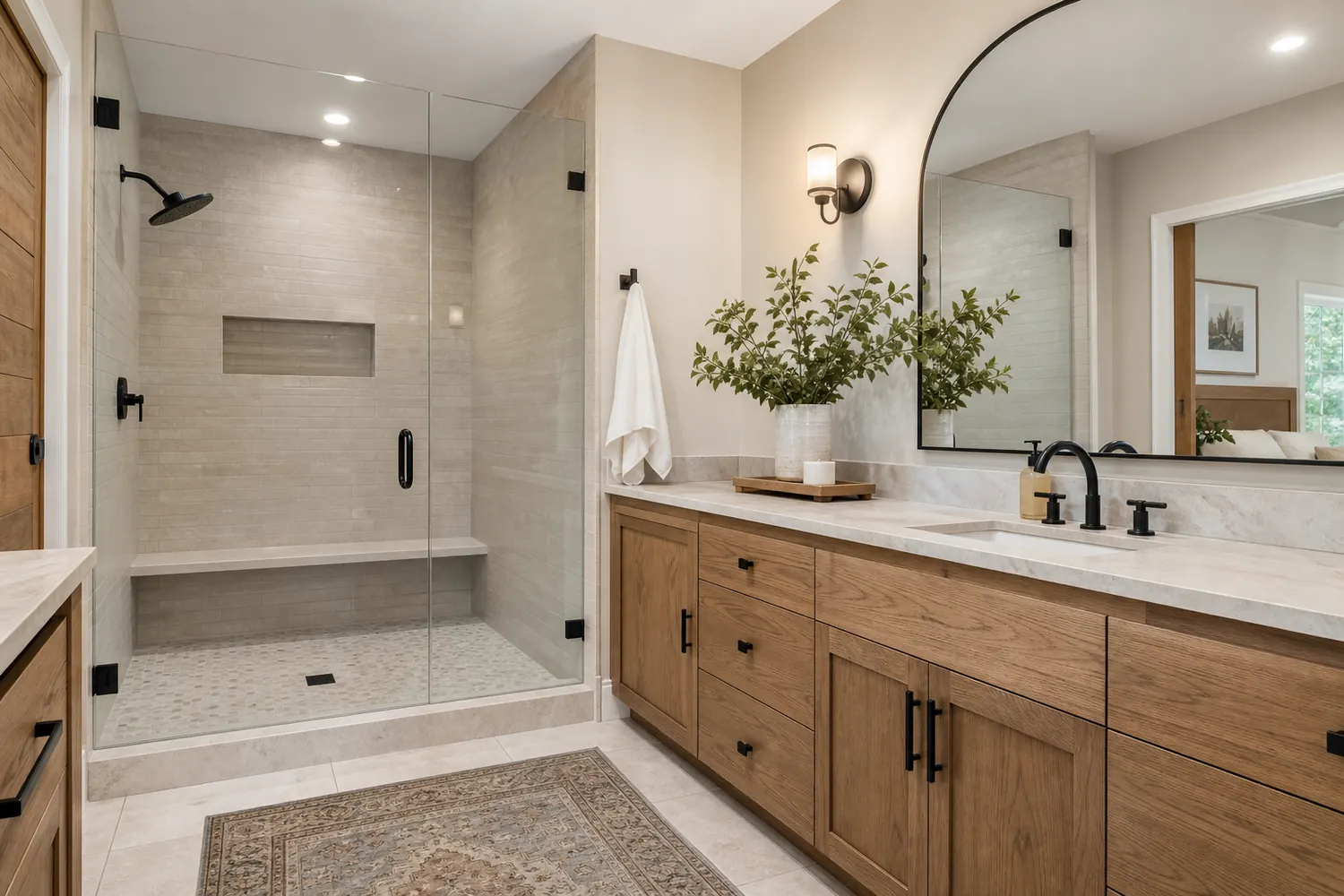
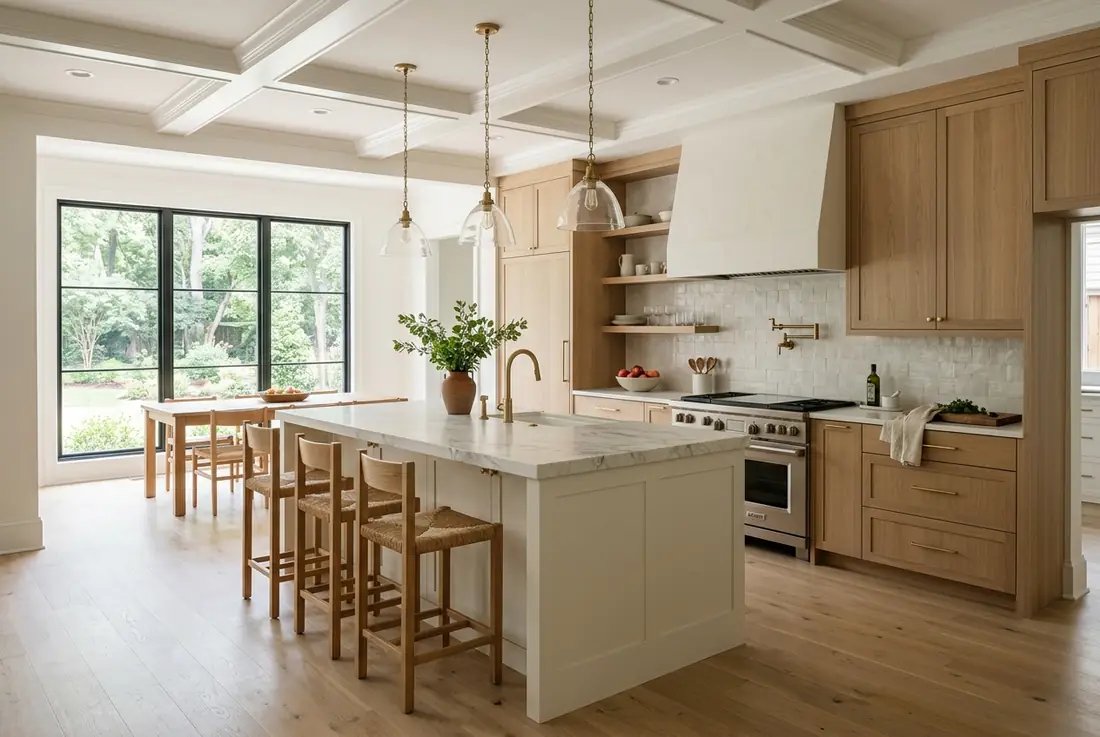
Interior renovation inspiration for Atlanta homeowners

A BETTER "NEAR ME" CONVERSATION

What should you ask before choosing a nearby contractor?

Searching for a general contractor near Atlanta, GA turns up a wide mix of firms — from large commercial builders to small handyman operations. For residential projects such as kitchen remodels, room additions, full renovations, or exterior work, look for a licensed Georgia general contractor with documented experience in intown residential work. If your property falls within a historic district, specific familiarity with Atlanta's Urban Design Commission process is important. Verify the license through Georgia's Secretary of State portal and confirm the contractor carries both general liability and workers' compensation coverage. References from neighbors in your specific neighborhood are especially useful given Atlanta's varied building stock.

Make the first Atlanta project conversation more useful.

Atlanta's property diversity creates equally varied planning considerations for renovation and addition projects. Historic district overlays — covering Inman Park, Druid Hills, and others — require a Certificate of Appropriateness from the Urban Design Commission before certain exterior changes, additions, or demolitions proceed. Floodplain parcels near Peachtree Creek and the South River require additional review layers. The City of Atlanta's Office of Buildings handles residential building permits; a general contractor typically pulls the permit on behalf of the owner. Older homes often contain knob-and-tube wiring, cast-iron drain lines, and unreinforced masonry that surface during scope definition and affect cost. Setback and height limits vary by zoning designation, and corner-lot rules differ from interior lots throughout the city. The city's active development environment also means that lot-line adjustments, lot splits, and airspace condominiums occasionally intersect with renovation permitting, particularly in zones seeing significant infill development.

ATLANTA GENERAL CONTRACTOR FAQ

Answers for the first stage of planning.

These answers help property owners prepare for a specific conversation. Permit and jurisdiction requirements should be confirmed for the actual address.

Does the City of Atlanta require permits for bathroom remodels?

Most bathroom remodels involving plumbing, electrical, or structural changes require permits through Atlanta's Office of Buildings. Purely cosmetic updates — such as replacing fixtures without moving rough-in locations — may not trigger a permit requirement, but confirming with the office before starting is always advisable.

What is a Certificate of Appropriateness and when does it apply in Atlanta?

A Certificate of Appropriateness (COA) is required for exterior changes to properties within Atlanta's locally designated historic districts, such as Inman Park or Grant Park. The Urban Design Commission reviews applications; a general contractor experienced with Atlanta historic work can help prepare the required submission materials.

How do I verify a general contractor's license in Georgia?

Georgia contractor licenses are issued by the State Licensing Board for Residential and General Contractors. You can verify any license — including whether it is current and in good standing — through the Georgia Secretary of State's online license-verification portal at verify.sos.ga.gov.

What are typical setback requirements in Atlanta residential zones?

Setbacks vary by zoning district. Common single-family zones may require 20–35-foot front setbacks and 5–7-foot side setbacks, but specific requirements depend on the zoning designation of your parcel. The City's Zoning Bureau or a licensed contractor familiar with Atlanta zoning can confirm applicable rules.

Do I need to call Georgia 811 before digging in Atlanta?

Yes. Georgia law requires contacting Georgia 811 at least three business days before any excavation, regardless of project size. This applies to fence posts, irrigation lines, landscaping, and all construction-related digging on any property in the state.

What is the difference between an intown Atlanta address and an Atlanta mailing address in unincorporated areas?

Some properties use an Atlanta mailing address but are located in unincorporated Fulton or DeKalb County. Permitting in those areas goes through the county — not Atlanta's Office of Buildings. Your property survey or the county GIS portal can confirm which jurisdiction applies to your parcel.

LOCAL REFERENCE POINTS

Know the place behind the project.

Official resources that may be useful for Atlanta property owners:

START WITH THE ADDRESS

Planning a general contracting project in Atlanta?

Call Riverstone or send the property details to begin with the scope, location, and questions that matter.

Request a Free Estimate Call 770-709-8977